
the play
They Are All Our Sons is the story of Greek Myths’ Medusa told through the lens of a modern day strip club. When two young women, dancers Medusa and Athena, meet in the club, Athena quickly becomes Medusa’s mentor. The club starts to curate a sister-like bond between the two as they find themselves constantly up against unique experiences of patriarchy. Their love and adoration for each other quickly leads to a destined dance partnership and lucrative work relationship. However, as Medusa grows obsessed with her self-discovery, the power play between men and women, and her mission to heal her history of sexual trauma, she starts to challenge the stability of the only environment Athena has ever felt control in.
Told through moments of incredible joy, strength, grace, and pain, the play is a commentary on the sisterhood wound, and how women have a unique ability to understand and reject each other, as they are products of the patriarchy. Within the show, the audience must face our social and cultural history rooted in Misogyny and join Medusa as she tries to answer the question: will people of different genders always be a threat to one another or is it possible to experience a true, peaceful coexistence?

a note from our playwright
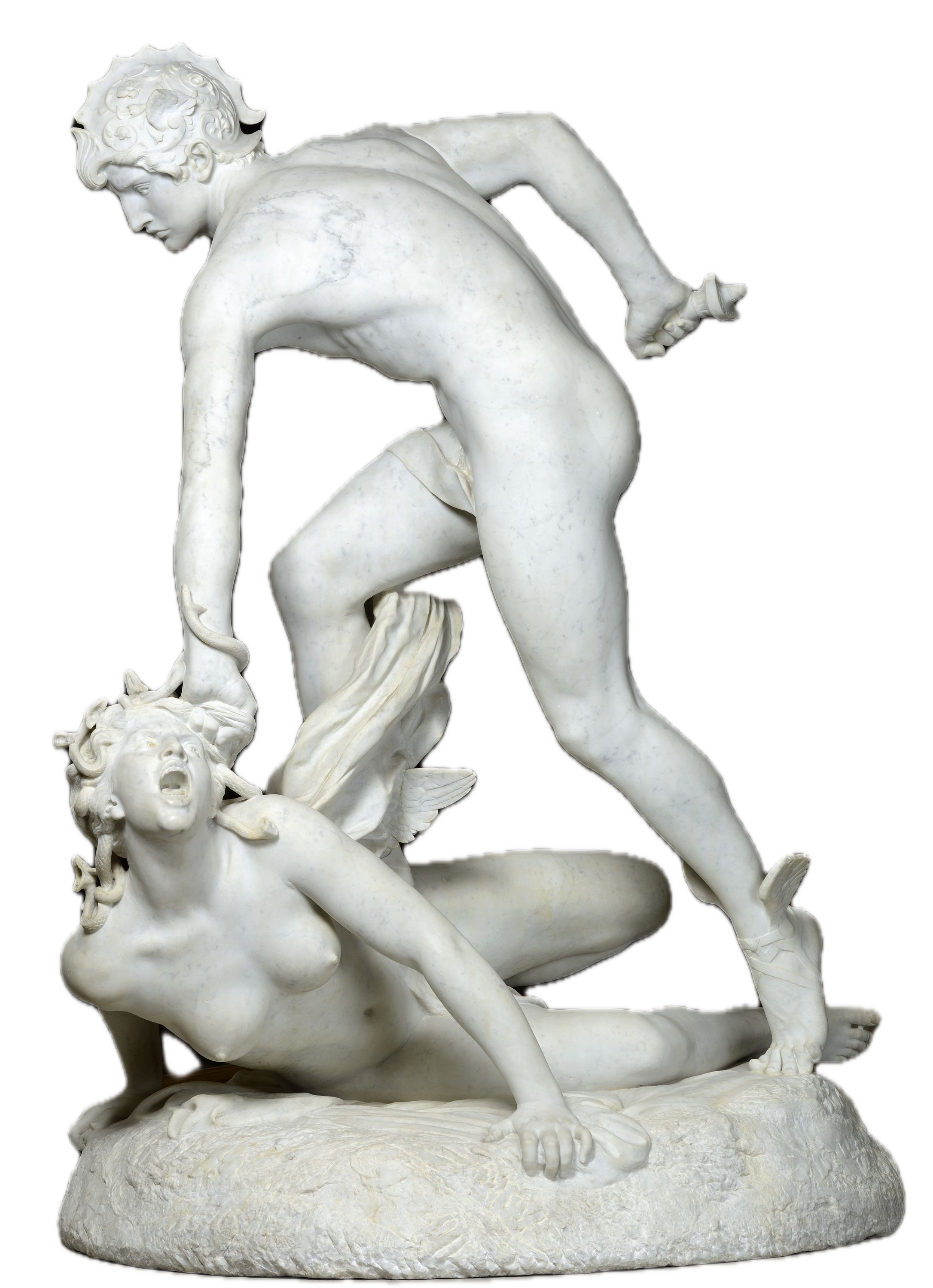
In the research phase of my writing process, I discovered there are very few retellings of the Medusa myth that aren’t from the POV of a man, most specifically Perseus, and his heroic pursuit to slay the monster. There’s Athena vs. Medusa, Medusa as a victim, Medusa as a slutty temptress of Poseidon, Medusa punished, Medusa pitied. Mostly, the people are happy for Perseus, and grateful that he removed the threat. Medusa is mostly silenced, demonized, and kept in the dark. Removed from her own story. Such are the oppressed. As Medusa has been a symbol of great strength for me, I owe it to her to tell her story as I find it to be & give her a chance to tell the story. After my experience in the strip club, I found that she existed in me there. I started writing this after 8 months in the club. Oh my— how the story has changed after 3.5 years. A part of myself hardened, but I’ve managed to stay pretty soft. The biggest thing that shifted for me, is who the story is about. It’s not really about the men. It’s for the girlies. I have worked hard to capture the magic of what I’ve witnessed in myself & my coworkers. The moments I’ve been moved to tears watching them dance. The bond. The laughter. The pain.
“You’d never know that a year ago I was afraid of moving my own body.” This part of Medusa came from my own story. The truth is, I’m not afraid to move anymore, but there was a time when I thought I’d never be fearless again. So, I’ll leave you with my perspective on the resistance to being turned to stone that I sturdily practice: People become hardened. Immobilized. Sometimes, you let yourself grow hard. Sometimes someone does it to you, or you become hard as a result of something that’s happened to you. In the face of such horror, what else is there to do? The pain is too unbearable, so we develop a shell to protect ourselves. Some people, like Medusa, are willing to be a softener to the world, even if it’s at great risk to themselves. Medusa is naive and hopeful, but she does have this magical ability to soften people. It turns out that “turning you to stone" is the exact opposite of being hardened. Because that is what is scary. Breaking the shell. Feeling the pain. Softening. Being vulnerable to the world and all its tragedies. The vulnerability of maintaining your softness in a world that is constantly trying to harden you does put you at greater risk of harm. But in the surrender, it’s also what liberates you. It’s Medusa’s nature to maintain her softness. I think that makes her strong. After all, when all seems hopeless, what else can we do with our time, but try?
For ALL the Chicago Strippers & Sex Workers who inspired this work. Thank you.
~ Liv Rose
-
They Are All Our Sons is not just a play, but a tool for social change. It does not just depict marginalization and resilience; it actively reframes sex worker culture as inspiration for activism, healing, and collective liberation.
-
Through the socio-cultural lens, we see how systems of power—capitalism, patriarchy, white supremacy, and religious dogma—shape not only the realities of sex workers, but of all marginalized people.
-
The mythological lens underscores how ancient stories continue to show up in contemporary oppressions, yet also offer opportunities for reclamation. By reimagining Medusa and Athena as complex, modern figures in the strip club, the play subverts myth to empower those most often cast as monsters or victims.
-
The mental health perspective reveals the deep psychic costs of surviving in such systems, while also noting the adaptive strengths and community care practices innovated by those on the margins.
-
Sex workers are not merely subjects of others’ activism, but leaders of change. The intersections of sex work and activism—embodied in mutual aid, harm reduction, labor organizing, and radical community-building—are not just responses to adversity, but generative sources of hope and transformation.